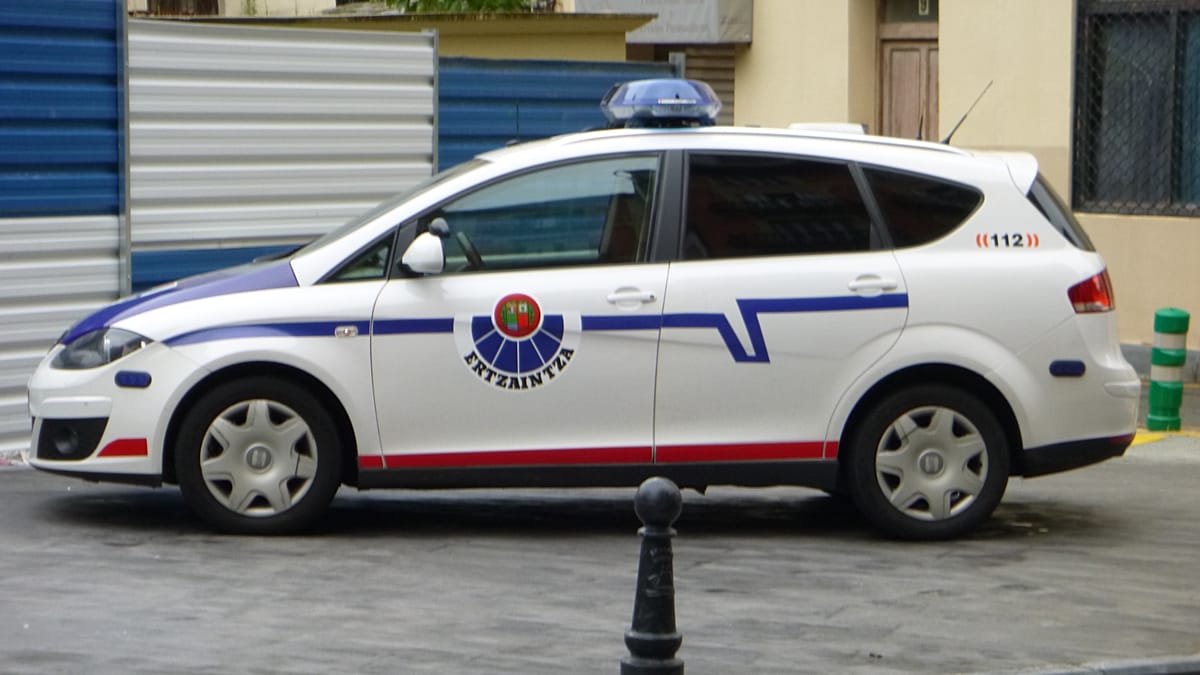
A somber cloud hangs over the tranquil landscape of Álava, a province in Spain's Basque Country, following a catastrophic incident that underscores the inherent dangers within certain industrial sectors. A deadly explosion ripped through a pyrotechnic factory, claiming one life and leaving another person severely injured. The tragic event, which occurred at the FML plant in the municipality of Lantarón, has sent shockwaves through the local community and initiated an intensive investigation into its cause. This devastating incident serves as a stark reminder of the critical importance of stringent safety protocols in industries dealing with volatile materials.
Tragedy Strikes FML Pyrotechnic Plant in Álava
The morning of a seemingly ordinary Monday was shattered at approximately 11:10 AM when a powerful explosion echoed across the rural area of Bergüenda, a concejo within Lantarón, Álava. The blast originated from the FML pyrotechnic factory, a company with a long-standing history dating back to 1875. Emergency services were immediately alerted to the scene, roughly 40 kilometers from the provincial capital, Vitoria. The initial reports from sources within the Ertzaintza (Basque Police) confirmed the worst: one individual had died, and another suffered severe injuries, highlighting the immediate and tragic impact of the factory explosion.
Local authorities, including the Mayor of Lantarón, Koldo Salbidea, provided crucial details regarding the incident. Salbidea explained to EFE that the explosion occurred in a small outbuilding, or "caseta," rather than the main storage facility where the bulk of the pyrotechnic products are kept. This detail, while tragic for those involved, was significant in controlling the wider potential for disaster, suggesting that the situation was contained relatively quickly, preventing a far more extensive catastrophe involving the entire plant's inventory. The swift response from emergency crews, coupled with the localized nature of the blast, was pivotal in mitigating further damage and risk.
The FML plant, despite its historical lineage, operates with a relatively small team, consisting of the owner and three employees. This close-knit environment makes the loss and injury even more acutely felt within the company and the surrounding community. As investigators delve deeper, the focus will undoubtedly turn to understanding the precise circumstances that led to such a violent deflagration in a facility dedicated to creating explosive materials for entertainment and celebration.
Immediate Aftermath and Emergency Response
In the wake of the factory explosion, a massive emergency operation was swiftly deployed to the scene. The severely injured individual, whose identity has not been released, was evacuated by helicopter to Cruces Hospital in Barakaldo (Bizkaia). Reports indicated the victim suffered burns over at least 60% of their body, a critical condition that necessitated immediate and specialized medical attention. This rapid medical response underscored the gravity of the injuries sustained and the coordinated efforts to save a life.
The area surrounding the FML plant was immediately cordoned off by the Ertzaintza, establishing a secure perimeter to ensure public safety and facilitate the work of first responders. Numerous units from various emergency services converged on Bergüenda. This included multiple fire brigades from nearby parks such as Nanclares de la Oca and Espejo, medical resources, and specialized units from the Ertzaintza, notably their Explosives Unit. Their presence was crucial not only for addressing the immediate danger and potential for further explosions but also for beginning the initial phases of the investigation.
The collaborative effort of these agencies highlights the comprehensive approach required when dealing with such high-risk incidents. From managing potential secondary blasts to providing critical medical care and securing evidence, the multi-agency response worked in concert to control a volatile situation. For more details on the immediate aftermath and casualties, you can refer to our article: FML Pyrotechnic Plant Explosion: Casualties and Aftermath in Álava.
Understanding the Risks: Safety in Pyrotechnics Manufacturing
The tragic event at the Álava pyrotechnic factory casts a harsh light on the inherent dangers of manufacturing and handling explosive materials. Pyrotechnic plants, by their very nature, work with highly volatile chemical compounds and precise processes that, if compromised, can lead to devastating consequences. The FML factory's long history, dating back to 1875, speaks to decades of experience, yet even seasoned operations are not immune to critical failures. Understanding these risks is paramount for preventing future tragedies.
Key Considerations for Safety in Pyrotechnic Facilities:
- Material Segregation: Storing different types of explosive materials and components separately to prevent sympathetic detonation. The fact that the explosion occurred in a "caseta" and not the main warehouse indicates adherence to a critical safety principle, potentially preventing a much larger disaster.
- Process Control: Strict adherence to established procedures for mixing, drying, and handling materials. Even minor deviations can lead to dangerous reactions.
- Environmental Controls: Maintaining specific temperature, humidity, and ventilation levels to prevent accidental ignition or chemical instability.
- Personnel Training: Comprehensive and ongoing training for all employees on safe operating procedures, emergency protocols, and the properties of the materials they handle.
- Regular Inspections and Maintenance: Ensuring all machinery, electrical systems, and safety equipment are regularly inspected and maintained to prevent malfunctions.
- Emergency Preparedness: Well-drilled emergency response plans, including evacuation routes, first aid stations, and clear communication channels with external emergency services.
Beyond these operational aspects, regulatory oversight plays a crucial role. Government agencies are responsible for setting and enforcing stringent safety standards, conducting regular audits, and ensuring compliance. Incidents like the deadly explosion in Álava often trigger a review of existing regulations and practices, prompting questions about whether current measures are sufficient or if new technologies and methodologies could enhance safety further. For a deeper dive into the specifics of the incident and its location, see: Álava Factory Blast: What Happened at the Lantarón Pyrotechnic Plant?
The Ongoing Investigation and Future Implications
With the immediate emergency stabilized, the focus has now shifted to the painstaking process of investigation. The Ertzaintza's Explosives Unit, along with forensic teams, will meticulously examine the scene to determine the exact cause of the blast. This will involve analyzing debris, interviewing witnesses, reviewing security footage (if any), and scrutinizing the factory's operational records and safety protocols. Identifying whether the explosion was due to a mechanical failure, human error, a chemical instability, or another factor is critical for accountability and preventing recurrence.
The outcome of this investigation will have significant implications not only for FML but also for the broader pyrotechnics industry in Spain and beyond. Lessons learned from this tragedy could lead to updated safety guidelines, stricter enforcement, or technological advancements aimed at minimizing risks. For the small community of Lantarón and Bergüenda, the incident represents a profound loss and a somber reminder of the dangers lurking within their industrial landscape. The recovery process, both for the injured individual and for the community grappling with this loss, will be long and challenging.
Conclusion
The deadly explosion at the FML pyrotechnic factory in Álava stands as a tragic testament to the inherent risks of industries dealing with volatile materials. The loss of one life and the severe injury of another underscore the human cost of such incidents. While the swift response of emergency services and the containment of the blast to a smaller structure prevented an even greater catastrophe, the event leaves an indelible mark. As investigations continue, the hope is that clarity will emerge regarding the cause, leading to strengthened safety measures and renewed commitment to protecting those who work in these high-risk environments. This incident serves as a powerful and unfortunate reminder that vigilance, robust safety protocols, and continuous improvement are not just regulatory requirements but essential guardians of human life.